
Market News
Reducing Carbon Footprint Through Sustainable Packaging Manufacturing
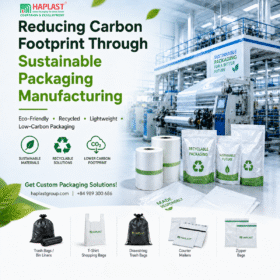
Sustainability is becoming a key priority in the global packaging industry. For retailers, distributors, importers, and brand owners, packaging is no longer judged only by price and appearance. It is also evaluated by material efficiency, recyclability, recycled content, carbon footprint, and supply chain responsibility.
This is why sustainable packaging manufacturing is gaining stronger attention from global buyers. Instead of simply using more “green” words, companies now need practical packaging solutions that reduce unnecessary material, improve performance, and support long-term sustainability goals.

Why Sustainable Packaging Manufacturing Matters?
The carbon footprint of packaging comes from many stages: raw material sourcing, resin production, film extrusion, printing, bag converting, packing, transportation, usage, and disposal. Even small improvements in design and production can create a large impact when applied to high-volume packaging orders.
For example, optimizing bag thickness, improving sealing strength, using recycled plastic packaging, and increasing container loading efficiency can help reduce material waste and transportation emissions. In this way, sustainable packaging manufacturing is not only about changing materials. It is about making packaging smarter, lighter, stronger, and more suitable for real market needs.
Key Solutions for Reducing Carbon Footprint
1. Lightweight Packaging Design
Lightweight design is one of the most effective ways to support reducing carbon footprint. By using the right thickness, resin formula, and bag structure, manufacturers can reduce plastic consumption while keeping the required strength and performance.
This is especially useful for high-volume products such as trash bags, bin liners, T-shirt shopping bags, courier mailers, zipper bags, produce bags, and drawstring trash bags.
2. Recycled Plastic Packaging

Recycled plastic packaging helps reduce dependence on virgin resin and supports a more circular packaging model. It can be a practical option for many non-food-contact applications, including trash bags, industrial liners, shopping bags, courier bags, and other flexible packaging products.
However, recycled materials must be controlled carefully. A reliable eco-friendly packaging supplier should manage material quality, color consistency, odor, sealing strength, printing performance, and final product stability.
3. Recyclable and Practical Packaging Structures
Recyclability is becoming increasingly important for global buyers. Packaging should be designed with suitable materials and structures that match the product application and local recycling systems.
For many flexible packaging items, simpler material structures and mono-material solutions can improve recyclability and make end-of-life handling easier. This is an important part of sustainable packaging manufacturing.
4. Better Production Efficiency
Sustainability also depends on factory performance. Stable extrusion, accurate cutting, strong sealing, consistent printing, and strict quality control help reduce production waste.
Every rejected roll, weak seal, incorrect thickness, or printing defect creates additional material loss. Therefore, efficient production and quality control are essential for low-carbon packaging solutions.
5. Smarter Packing and Logistics
Packaging sustainability does not stop at the product itself. Carton size, roll format, pallet loading, and container utilization also affect carbon footprint.
By optimizing packing methods, suppliers can help customers reduce shipping space, lower logistics costs, and improve supply chain efficiency.
Popular Sustainable Packaging Solutions
HAPLAST supports a wide range of flexible packaging products for global buyers, including:
- Trash Bags / Bin Liners
- T-Shirt Shopping Bags
- Drawstring Trash Bags
- Courier Mailers
- Zipper Bags
- Produce Bags on Roll
- Wicket Bags
- Packaging Film Rolls
- Compostable and Bio-Based Bag Options
These sustainable packaging solutions can be customized by size, thickness, color, material, printing, packing style, roll format, and carton specification.
HAPBIO’s Approach to Sustainable Packaging Manufacturing

As a Vietnam-based packaging manufacturer, HAPBIO focuses on practical and export-ready packaging solutions. We support customers with recycled plastic packaging, lightweight design, custom printing, stable quality control, and flexible product development.
Our goal is to help global buyers reduce unnecessary material, improve packaging performance, and develop suitable low-carbon packaging for different markets.
With experience in international packaging supply, HAPBIO aims to be a reliable partner for customers looking for sustainable packaging manufacturing solutions that balance quality, cost, and sustainability.
Conclusion
Reducing carbon footprint through sustainable packaging manufacturing requires more than one material change. It requires smarter design, better production control, recycled content, efficient logistics, and practical product development.
For global buyers, choosing the right packaging partner can help reduce waste, improve supply chain efficiency, and support long-term sustainability goals.
