Market News
Why ESG in the Packaging Industry Is a Powerful Driver of Sustainable Growth
How Is ESG in the Packaging Industry Understood Today?
In recent years, ESG in the packaging industry has evolved far beyond the idea of simply using recyclable or biodegradable materials. Today, ESG is understood as a broader framework that helps packaging companies align business performance with environmental responsibility, social commitment, and transparent governance.
For manufacturers, brand owners, and global buyers, ESG is no longer a secondary consideration. It is becoming a key standard for evaluating how packaging is designed, produced, distributed, used, and managed after consumption. As a result, sustainable development and green products are now closely linked to long-term competitiveness in the packaging sector.
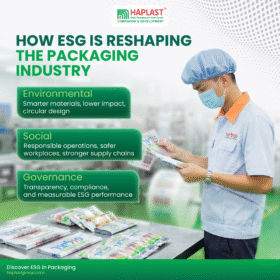
ESG in the Packaging Industry Is More Than Just “Going Green”
Many people still associate ESG mainly with environmental protection. While that is an important part, ESG in the packaging industry is now understood in a much more comprehensive way.
It includes how companies reduce material usage, improve recyclability, manage energy and emissions, protect workers, ensure supply chain responsibility, and build reliable governance systems. In other words, ESG is about creating packaging solutions that are not only functional and cost-effective, but also aligned with modern expectations of packaging sustainability.
This shift is especially important as more international customers look for suppliers that can support both product performance and sustainability goals.
The Environmental Dimension: From Material Choice to Full Life-Cycle Thinking
The “E” in ESG refers to environmental impact, but in packaging, this goes well beyond selecting a more eco-conscious raw material.
Today, environmental performance is increasingly evaluated across the full life cycle of packaging. This includes material sourcing, product design, manufacturing efficiency, logistics, product use, and end-of-life recovery. That is why many businesses are moving from a “green material” mindset to a “sustainable packaging” mindset.
For example, a packaging solution may be considered more sustainable when it can:
- reduce unnecessary material use
- improve recyclability
- support reuse systems
- lower transportation impact through lightweight design
- minimize waste during production
- contribute to circular economy goals
This is where green products in packaging become more meaningful. A truly green product is not just one that looks environmentally friendly. It is one that delivers measurable value across the packaging life cycle.
The Social Dimension: Responsibility Across the Value Chain
The “S” in ESG stands for social responsibility. In the packaging sector, this includes worker safety, fair labor practices, employee development, supplier ethics, and product safety for end users.
As global supply chains become more transparent, customers increasingly want to know not only what packaging is made from, but also how it is made and under what conditions. This means packaging companies are expected to demonstrate responsible operations inside their factories and throughout their supply networks.
From this perspective, ESG in the packaging industry is also about trust. Buyers want partners that can provide reliable quality, stable production, and responsible business practices. Social responsibility is therefore becoming a core part of how a packaging company is evaluated in the market.
The Governance Dimension: Turning ESG into a Real Business Strategy
The “G” in ESG refers to governance, and this is often the factor that determines whether sustainability efforts are truly credible.
For packaging companies, governance includes internal policies, compliance systems, supplier management, risk control, traceability, data transparency, and the ability to communicate sustainability claims accurately. Without strong governance, even the best eco-friendly packaging message can lose credibility.
This is why governance is now seen as the foundation that supports environmental and social commitments. It helps companies move beyond marketing language and build a clear, measurable ESG strategy that customers and partners can trust.

Why ESG Has Become a Major Trend in Packaging
There are several reasons why ESG packaging trends are gaining momentum worldwide.
First, customer expectations are changing. More brands are setting sustainability targets and looking for suppliers that can help them achieve these goals through better packaging design and responsible production.
Second, export markets are becoming more demanding. Companies that serve international customers increasingly face expectations related to recyclability, transparency, carbon reduction, and responsible sourcing.
Third, investors, regulators, and end consumers are paying more attention to how products are made. This means packaging is no longer judged only by cost and appearance. It is also judged by its environmental footprint, social impact, and business integrity.
As a result, sustainable development is becoming a practical business requirement rather than a branding option.
What Do Green Products Mean in the Packaging Industry?
In the past, green products were often understood in a narrow way, such as products made from recycled material or products marketed as biodegradable.
Today, the meaning is broader and more strategic.
In the packaging industry, green products are generally understood as packaging solutions designed to reduce environmental impact while maintaining product performance, safety, and commercial value. They are often associated with:
- smarter material selection
- lower resource consumption
- better recyclability or reusability
- efficient production
- reduced waste
- stronger alignment with sustainability goals
This means a green product is not defined by one feature alone. Instead, it reflects a combination of design thinking, operational efficiency, and responsible business practices.
How Packaging Companies Should Respond to ESG Expectations
To stay competitive, packaging manufacturers need to move beyond simple sustainability claims and focus on building practical ESG value.
This includes:
- developing sustainable packaging solutions based on real market needs
- improving material efficiency and product design
- increasing supply chain transparency
- strengthening quality, compliance, and traceability
- aligning operations with long-term sustainable development goals
For companies like HAPLAST, this creates an opportunity to position themselves not only as manufacturers, but as long-term solution partners. Customers today are looking for suppliers that can help them balance performance, cost, and sustainability in one integrated packaging strategy.
Conclusion
So, how is ESG in the packaging industry understood today?
It is understood as a complete framework for creating packaging solutions that meet business needs while also addressing environmental impact, social responsibility, and transparent governance. It is no longer just about producing “green-looking” packaging. It is about building systems, products, and partnerships that support long-term value.
As the market continues to evolve, companies that embrace packaging sustainability, invest in green products, and align with sustainable development will be better positioned for growth, trust, and international competitiveness.
FAQ
1. What is ESG in the packaging industry?
ESG in the packaging industry refers to how packaging businesses manage environmental, social, and governance factors across their operations, products, and supply chains.
2. Is ESG the same as sustainable packaging?
Not exactly. Sustainable packaging mainly focuses on environmental performance, while ESG also includes social responsibility and governance.
3. What are green products in packaging?
Green products in packaging are solutions designed to reduce environmental impact while maintaining functionality, safety, and commercial effectiveness.
4. Why is ESG important for packaging companies?
ESG helps packaging companies meet customer expectations, strengthen brand trust, improve compliance, and stay competitive in both domestic and export markets.
At HAPbio, we believe the future of packaging is not only about performance and quality, but also about responsibility and long-term value. If your business is looking for packaging solutions aligned with ESG in the packaging industry, sustainable development, and the growing demand for green products, our team is ready to support your journey.
