Market News
HAPBIO Named Among PCIC 2026 Top 30: Advancing Vietnam’s Circular Plastic Economy
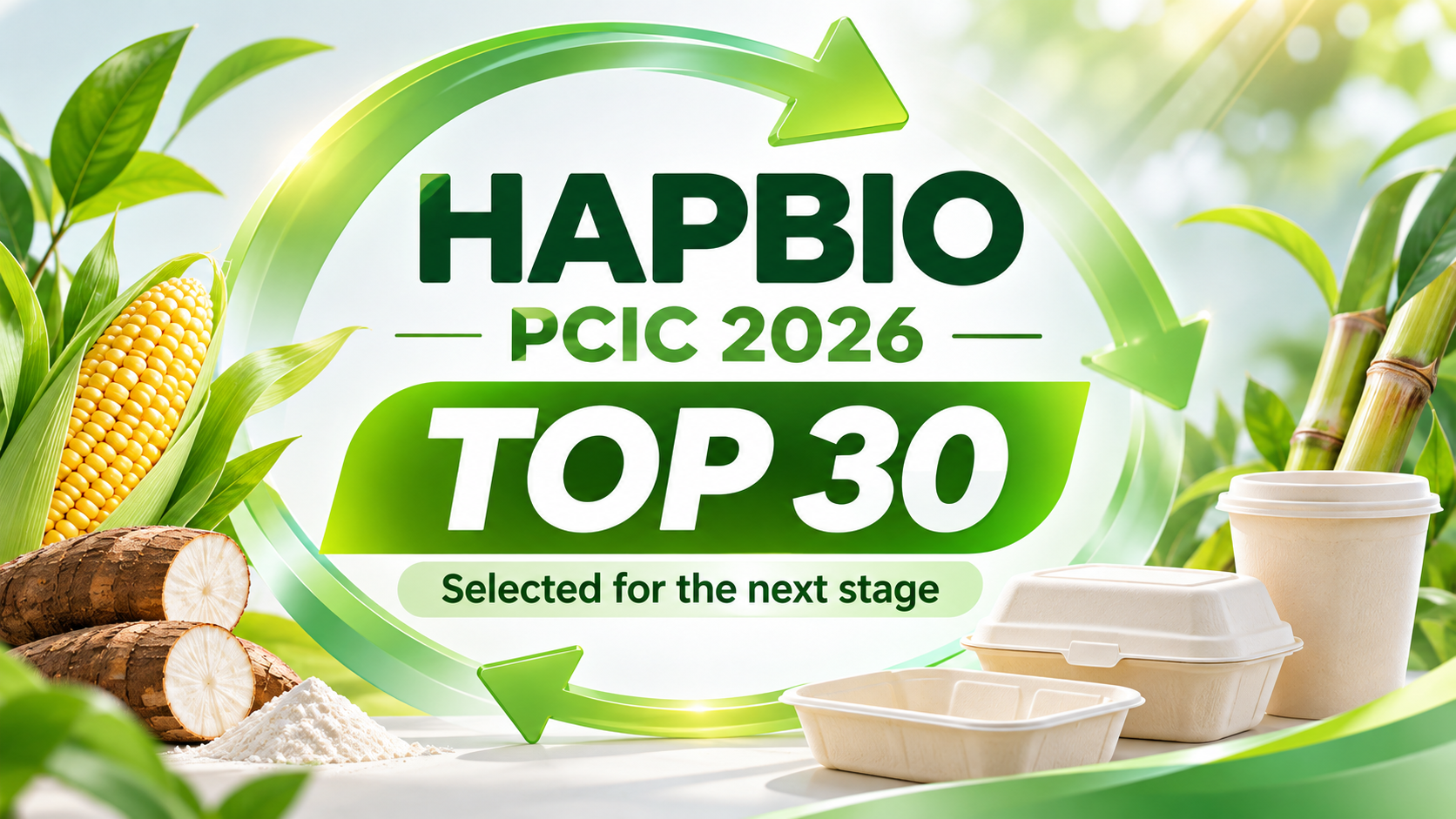
HAPBIO has been named among the PCIC 2026 Top 30, a shortlist selected from more than 380 applications submitted to the Plastics Circularity Innovation Challenge. The milestone marks another step in the Vietnamese green technology company’s journey to develop responsible packaging solutions and contribute to a more circular economy.
Bringing together businesses, startups and research teams, PCIC 2026 provides a platform for promising innovations to move beyond the concept stage and explore practical opportunities for commercialization.
PCIC 2026 Top 30: From Innovation to Real-World Impact
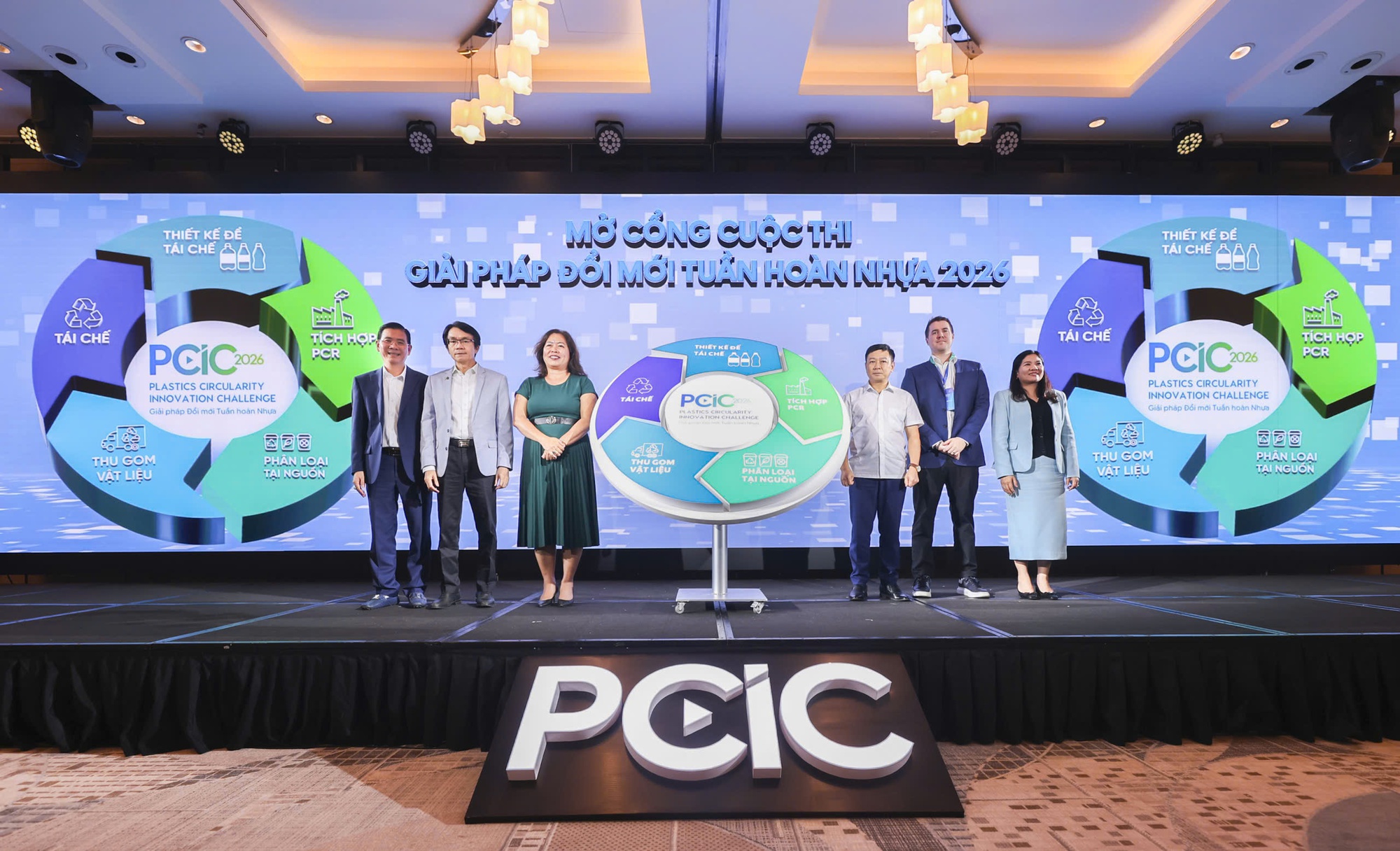
The Plastics Circularity Innovation Challenge (PCIC) was launched in 2024 to address barriers across Vietnam’s plastic value chain. Its 2026 edition connects innovators with industry experts, businesses and investors to strengthen their solutions and assess opportunities for deployment.
The initiative involves Unilever Vietnam, the Vietnam Environment Agency and InnoEx. Its approach recognizes that effective waste reduction depends not only on new technologies but also on collaboration between material developers, manufacturers, waste management operators and customers.
From more than 380 applications, 30 teams and initiatives were shortlisted for further development. Selection is a milestone rather than a final award or a guarantee of commercial performance.
Meet the PCIC 2026 Top 30
The following list preserves the official announcement order. The numbering is not a ranking. HAPBIO appears as entry 24.
| No. | Team / initiative |
|---|---|
| 1 | Công ty CP Vật liệu Kiến trúc và Xây dựng Việt Nam (MAB-Vietnam JSC) |
| 2 | Avery Dennison |
| 3 | FLEX2FLEX Circularity Team |
| 4 | Polymer Asia Technology |
| 5 | Công ty Cổ phần Tín Thành Packing |
| 6 | Công ty Cổ phần Limloop |
| 7 | VNNETZERO |
| 8 | Thaloplast |
| 9 | LoopNet Asia (CEL) |
| 10 | Indorama Ventures Vietnam 3 |
| 11 | Turn Green |
| 12 | TAGOM |
| 13 | Công ty TNHH Công nghệ VECA |
| 14 | CÔNG TY CỔ PHẦN BPG RECYCLE |
| 15 | TraceVerified |
| 16 | AirX Carbon |
| 17 | Building Up Sustainability | Trung tâm Xây dựng và Thúc đẩy Phát triển Bền vững |
| 18 | Lagom Việt Nam |
| 19 | Shecycle Impacts |
| 20 | Openmind Robotics |
| 21 | Trung tâm ứng phó sự cố an toàn môi trường (ESE) |
| 22 | VentiCycle |
| 23 | BioWraps |
| 24 | HAPBIO |
| 25 | Circular lightweight fire-resistant and sound-insulating material from multilayer packaging waste (MLP) and thermal power plant fly ash |
| 26 | Công ty TNHH TM SX U&I Phương Quân |
| 27 | ARC-V |
| 28 | Green Whale Global VN |
| 29 | Inno-Wrap |
| 30 | Công ty Cổ phần UPGREEN Việt Nam |
Source: PCIC 2026 / Plastics Innovation. Organization names are retained as announced; the descriptive initiative title is translated into English.
What Comes Next for the Shortlisted Teams?
The program’s published roadmap outlines mentoring and further evaluation during November and December 2026, followed by selection of the Top 15. The final round and Top 5 awards are scheduled for January 14, 2027, with further commercial and investment connections planned for the first quarter of 2027, subject to organizer updates.
Participants have opportunities to receive technical and business feedback, meet industry partners and explore pilot projects or proof-of-concept activities. The published prize package is valued at up to VND 600 million, combining cash and development support.
For an emerging packaging technology, this process matters because a promising material must also meet the practical requirements of buyers, manufacturing systems and end-of-life infrastructure. Selection alone does not establish a successful pilot or commercial partnership.
Why Vietnam’s Circular Plastic Economy Needs Multiple Solutions
PCIC addresses interconnected challenges across flexible packaging and alternative materials, collection and sorting, reuse and recycling, circular business models, digital technology and traceability, and solutions supporting extended producer responsibility (EPR).
There is no single material or technology that solves every waste challenge. A packaging solution must be evaluated against its intended function, transport and storage requirements, collection arrangements and available treatment pathways. For retailers, foodservice businesses and manufacturers, responsible procurement starts by identifying the actual application rather than simply substituting one material for another.
These considerations are especially important for packaging contaminated with organic material, where the suitability of a composting pathway depends on local acceptance and processing conditions. Compostable packaging should complement, rather than indiscriminately replace, reduction, reuse and recycling strategies.
HAPBIO’s Commitment to Responsible Compostable Packaging
For HAPBIO Green Technology Joint Stock Company, joining the PCIC 2026 Top 30 is an encouragement to continue developing packaging that addresses real customer needs while supporting responsible material choices.
HAPBIO’s portfolio includes compostable bag formats for shopping, waste collection, produce handling and other specified applications. Its approach emphasizes the relationship between product functionality, material selection and verifiable end-of-life claims.
Bio-based and compostable are not interchangeable terms. Renewable feedstocks describe material origin, whereas compostability describes performance under defined treatment conditions. A compostable claim does not mean that a bag will break down in every natural environment or that littering is acceptable.
International certification and evidence matter
HAPBIO’s published product information references OK compost INDUSTRIAL, OK compost HOME and BPI Certified Compostable schemes within its portfolio. Buyers should request current certificates covering the exact product and verify the relevant conditions, limitations and intended disposal pathway. Certification for industrial composting is not interchangeable with home composting certification, and neither automatically demonstrates food-contact compliance.
For procurement teams, a useful evaluation begins with the intended application and product specifications. It should also consider packaging performance, applicable market requirements, documentation and whether the destination has an appropriate collection and composting system.
Building a Greener Packaging Future Together
HAPBIO’s participation in the PCIC 2026 Top 30 is part of a broader commitment to innovation, collaboration and responsible packaging development. The company welcomes opportunities to engage with manufacturers, retailers, distributors and other partners exploring practical alternatives for their packaging needs.
Explore the HAPBIO compostable packaging portfolio or contact our team to discuss your application, technical specifications and supporting documentation.
Further reading: Official Top 30 announcement; PCIC program criteria and roadmap; PCIC 2026 call for applications; HAPBIO at Tuoi Tre Startup Award 2026.
