Market News
ESG Packaging: Why Sustainable Packaging Is Becoming a Strategic Standard for Global Growth
Sustainability is no longer just a marketing message. Across Europe, North America, and many other markets, packaging decisions are increasingly influenced by Environmental, Social, and Governance (ESG) requirements.
For manufacturers, retailers, and brand owners, ESG packaging is evolving from a competitive advantage into a business necessity. Companies that invest in sustainable packaging today are better positioned to meet regulations, strengthen brand reputation, and secure long-term growth.

Why ESG Packaging Matters More Than Ever
Governments, investors, and consumers are raising expectations for responsible business practices. Regulations such as the EU Packaging and Packaging Waste Regulation (PPWR), Extended Producer Responsibility (EPR) schemes, and carbon reporting initiatives are reshaping supply chains worldwide.
As a result, packaging suppliers are expected to provide:
- Recycled and recyclable materials
- Resource-efficient production
- Ethical manufacturing practices
- Transparent and traceable supply chains
- International certifications and regulatory compliance
For global buyers, ESG packaging has become an important factor when selecting long-term partners.
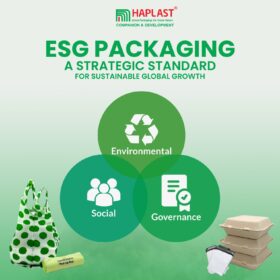
The Three Pillars of ESG Packaging
Environmental Responsibility
Environmental performance focuses on reducing the impact of packaging throughout its lifecycle. Key priorities include:
- Using recycled materials
- Reducing virgin plastic consumption
- Improving recyclability
- Lowering carbon emissions
- Supporting circular economy initiatives
Materials certified under standards such as GRS (Global Recycled Standard) are increasingly preferred by international buyers.
Social Responsibility
Social responsibility extends beyond products to manufacturing practices.
Companies are expected to provide:
- Safe working environments
- Fair labor conditions
- Employee welfare programs
- Responsible sourcing practices
Ethical manufacturing has become an essential requirement for many multinational brands and retailers.
Governance and Transparency
Modern supply chains require transparency and accountability.
Packaging manufacturers are expected to maintain:
- Quality management systems
- Material traceability
- Regulatory compliance documentation
- Audit records and certifications
- Responsible corporate governance
These capabilities help reduce supply chain risks and improve buyer confidence.
How ESG Packaging Creates Competitive Advantages

Sustainable packaging is not only about compliance—it also delivers measurable business benefits.
Companies adopting ESG packaging can gain:
Easier Market Access
Many regions, especially the EU and North America, are implementing stricter packaging regulations. ESG-compliant packaging helps companies meet import requirements and avoid potential barriers.
Stronger Brand Reputation
Consumers increasingly prefer brands that demonstrate environmental and social responsibility. Sustainable packaging strengthens customer trust and brand image.
Supply Chain Resilience
Certified materials, transparent sourcing, and responsible manufacturing contribute to more reliable and stable supply chains.
Better Alignment With Investor Expectations
Investors and stakeholders are placing greater emphasis on ESG performance. Companies with strong sustainability strategies often enjoy greater confidence and long-term support.
Key Packaging Trends Shaping the Future
Several trends are expected to drive the packaging industry in the coming years:
- Increased use of recycled materials
- Circular economy models
- Carbon footprint reporting
- Digital Product Passports (DPP)
- Extended Producer Responsibility (EPR)
- Supply chain traceability
- Greater demand for certified packaging solutions
Businesses that prepare early will have stronger competitive advantages.
HAPBIO Supports Global ESG Packaging Goals
As one of Vietnam’s leading packaging manufacturers, HAPBIO continuously invests in sustainable packaging development and international quality systems.
With nearly 20 years of manufacturing experience, three modern factories, and exports to more than 90 countries, HAPBIO provides packaging solutions designed to support customers’ ESG objectives.
Certified and Export-Ready
- ISO 9001:2015 Quality Management System
- ISO 14001 Environmental Management System
- BRCGS Food Packaging Certification
- GRS (Global Recycled Standard)
- BSCI Social Compliance
- Food-contact compliance for EU and US markets
Sustainable Packaging Solutions
HAPBIO offers:
- Recycled plastic packaging
- Compostable bags
- Food packaging bags
- Poly mailers
- Trash bags
- Agricultural packaging
- OEM and private label packaging solutions
Frequently Asked Questions (FAQs)
What is ESG packaging?
ESG packaging refers to packaging solutions developed according to Environmental, Social, and Governance principles, focusing on sustainability, ethical manufacturing, and transparent supply chains.
Why is ESG packaging important?
ESG packaging helps companies comply with regulations, improve brand reputation, and support long-term sustainable growth.
What materials are commonly used in ESG packaging?
Common materials include recycled plastics, recyclable packaging, and certified compostable materials.
Which certifications are important for ESG packaging?
GRS, BRCGS, ISO 9001, ISO 14001, and BSCI are among the most recognized certifications.
Can HAPBIO provide ESG-compliant packaging?
Yes. HAPBIO offers recycled and sustainable packaging solutions supported by international certifications and flexible OEM services.
Looking for an ESG Packaging Partner?
Partner with HAPBIO to develop certified, sustainable, and export-ready packaging solutions that support your ESG goals and long-term business growth.
