Market News
Recycled Plastic Packaging Trends 2027 – How Different Industries Are Embracing Circular Packaging?
As sustainability regulations become stricter and circular economy initiatives accelerate worldwide, recycled plastic packaging is rapidly evolving from an alternative solution into an industry standard. In 2027, brands across retail, agriculture, healthcare, logistics, and manufacturing are expected to increase their adoption of recycled plastic packaging solutions to meet regulatory requirements, ESG commitments, and consumer expectations.
Here are the major trends shaping the future of recycled plastic packaging in 2027.

1. Higher Recycled Content Requirements
Governments and international organizations are introducing stricter regulations on plastic packaging. Under the EU Packaging and Packaging Waste Regulation (PPWR), packaging producers are under increasing pressure to incorporate higher percentages of post-consumer recycled materials.
As a result, brands are actively seeking GRS-certified recycled plastic packaging to ensure compliance and improve sustainability performance.
2. Retailers Are Switching to Sustainable Shopping Bags
Supermarkets and retailers are replacing conventional plastic bags with recycled plastic bags made from PCR materials.
Popular applications include:
- Shopping bags
- T-shirt bags
- Carry bags
- Promotional bags
Consumers increasingly prefer environmentally responsible brands, making sustainable packaging solutions an important competitive advantage.
3. E-commerce Demands More Sustainable Mailers
The rapid growth of online shopping is driving demand for eco-friendly shipping materials.
In 2027, recycled plastic packaging for e-commerce will continue to expand through:
- Poly mailers
- Courier bags
- Return packaging
- Custom private-label shipping bags
Brands are focusing on reducing carbon footprints while maintaining durability and cost efficiency.
4. Agriculture and Food Packaging Continue to Grow

Fresh produce suppliers are increasingly adopting PCR packaging to reduce virgin plastic consumption.
Common applications include:
- Produce bags
- Tray liners
- Agricultural films
- Food packaging solutions
Lightweight and moisture-resistant packaging remains essential for maintaining product quality during transportation.
5. Healthcare Sector Prioritizes Sustainable Waste Management
Hospitals and laboratories are integrating sustainability into their operations.
Demand is increasing for:
- Medical waste bags
- Sample bags
- Glove packaging
- Biohazard waste packaging
Manufacturers are focusing on traceable and high-quality recycled PE bags that comply with strict hygiene standards.
6. Closed-Loop Recycling Systems Become the New Standard
More packaging manufacturers are investing in circular production models.
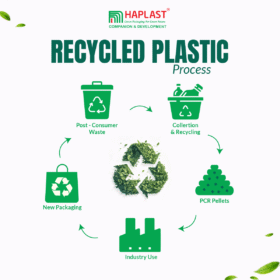
Closed-loop systems convert post-consumer waste into recycled pellets and then transform them into new packaging products.
This approach helps:
- Reduce plastic waste
- Improve material traceability
- Lower carbon emissions
- Support circular economy goals
7. Digital Product Passports and Traceability Gain Importance
Transparency is becoming a major requirement.
Global brands increasingly require:
- Material traceability
- Technical Data Sheets (TDS)
- MSDS documentation
- Declaration of Conformity (DOC)
- Carbon footprint reporting
Packaging suppliers that provide complete documentation will have a stronger competitive advantage.
8. OEM and Private Label Packaging Continue to Expand
Brands are seeking customized packaging solutions with flexible specifications.
Demand for:
- OEM packaging manufacturer services
- Private label packaging
- Custom printing
- Flexible MOQ
is expected to grow significantly across multiple industries.
Why Vietnam Is Emerging as a Recycled Packaging Hub

Vietnam is strengthening its position as a leading sourcing destination thanks to:
- Competitive manufacturing costs
- Strong production capacity
- Growing export experience
- Increasing investments in recycling technologies
- Flexible OEM and ODM capabilities
As global supply chains diversify, Vietnam is becoming an attractive location for buyers seeking reliable recycled plastic packaging manufacturers.
Frequently Asked Questions (FAQs)
What is recycled plastic packaging?
Recycled plastic packaging is made from recycled materials such as post-consumer recycled (PCR) plastics to reduce virgin plastic consumption and support circular economy goals.
Which industries use recycled plastic packaging?
Retail, agriculture, healthcare, logistics, e-commerce, and manufacturing are among the biggest users of recycled plastic packaging.
What is PCR packaging?
PCR packaging refers to packaging made from post-consumer recycled materials collected and reprocessed into new products.
Why is recycled plastic packaging important in 2027?
Growing regulations, ESG commitments, and consumer demand are accelerating the shift toward sustainable packaging solutions.
Does HAPBIO provide customized recycled plastic packaging?
Yes. HAPBIO offers OEM, ODM, and private-label recycled plastic packaging solutions with flexible specifications and stable supply capacity.
Why Global Buyers Choose HAPBIO
As sustainability requirements become more demanding, choosing the right packaging partner is just as important as selecting the right material.
HAPBIO provides a wide range of recycled plastic packaging solutions for retail, agriculture, logistics, healthcare, and industrial applications. Backed by nearly 20 years of manufacturing experience and an annual capacity of approximately 54,000 tons, HAPBIO helps customers achieve both performance and sustainability goals.
Certified & Export-Ready
- GRS (Global Recycled Standard)
- RCS (Recycled Claim Standard)
- ISO 9001:2015
- BSCI Compliance
- Food-contact compliance for EU and US markets
Flexible Manufacturing Services
- OEM & ODM solutions
- Private label packaging
- Custom sizes and printing
- Flexible MOQ
- Stable supply capacity
- Factory-direct pricing
If you are looking for a reliable global packaging manufacturing partner, contact HAPBIO today to discover high-quality, sustainable, and customized packaging solutions that help your business meet evolving market demands and achieve long-term success.
