Haplast Events
Compostable Packaging & Buyer Trust: HAPBIO at IBI 2026
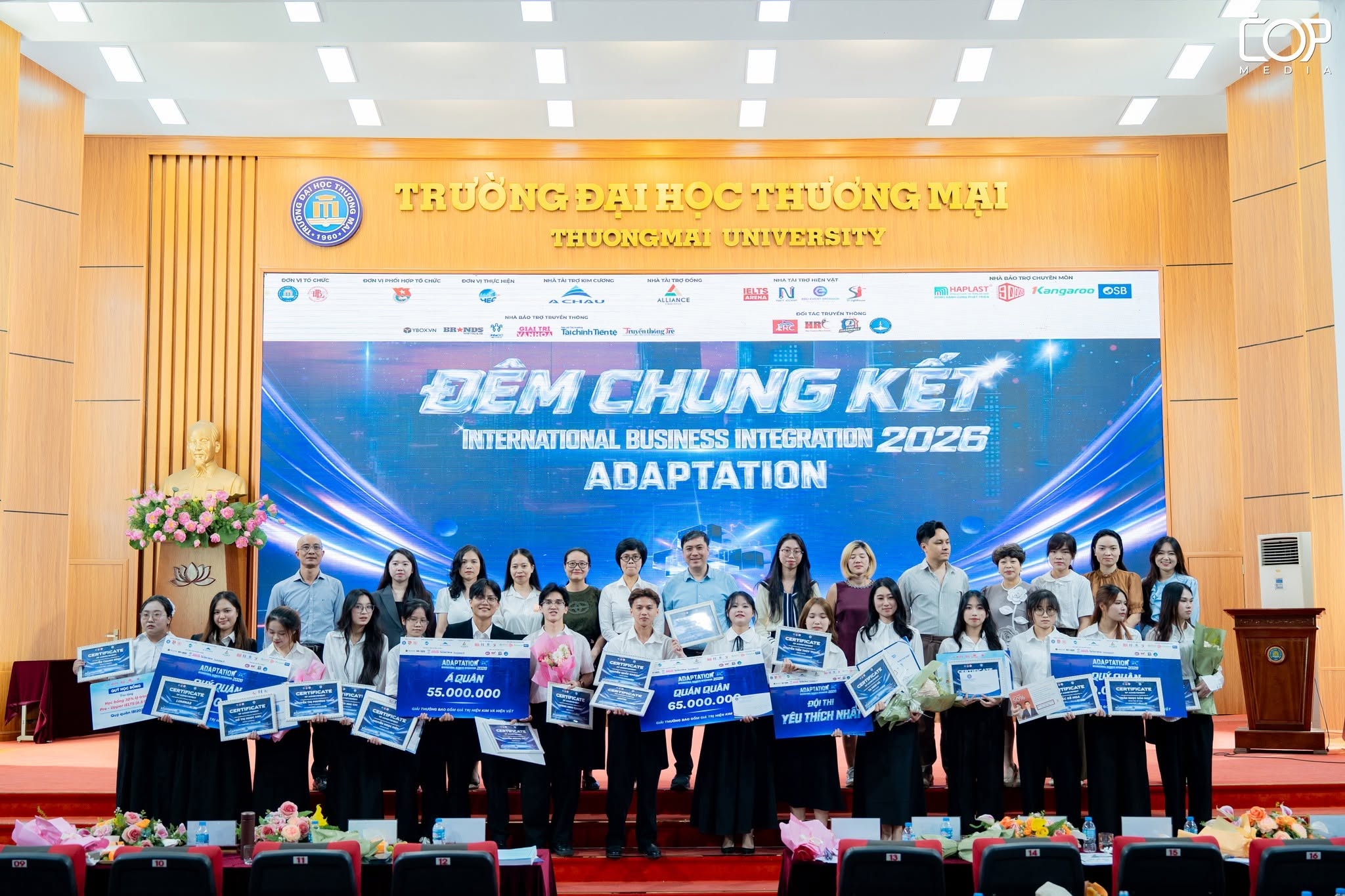
Compostable packaging is not only a materials challenge. For international businesses, it is also about market fit, credible certification and buyer trust. At the International Business Integration (IBI) 2026 competition at Thuongmai University, students explored a practical HAPBIO business case, connecting classroom learning with the realities of green packaging and international trade.
Haplast Group supports the program as a Professional Partner. Through the business case, students considered how packaging solutions can be positioned, communicated and evaluated in different markets—questions that international buyers also face.
HAPBIO and International Business Integration 2026: Bringing Business into the Classroom
IBI is a professional competition at Thuongmai University implemented by the HEC Club with the university’s international business academic community. The IBI 2026 “Adaptation” program brought student teams together to present business thinking in a competitive, real-world context.
HAPBIO’s involvement offers a useful example of how companies can contribute practical challenges to business education. For participating students, developing a proposal involves asking not only what makes a product different but also what evidence a buyer will expect before selecting a packaging supplier.
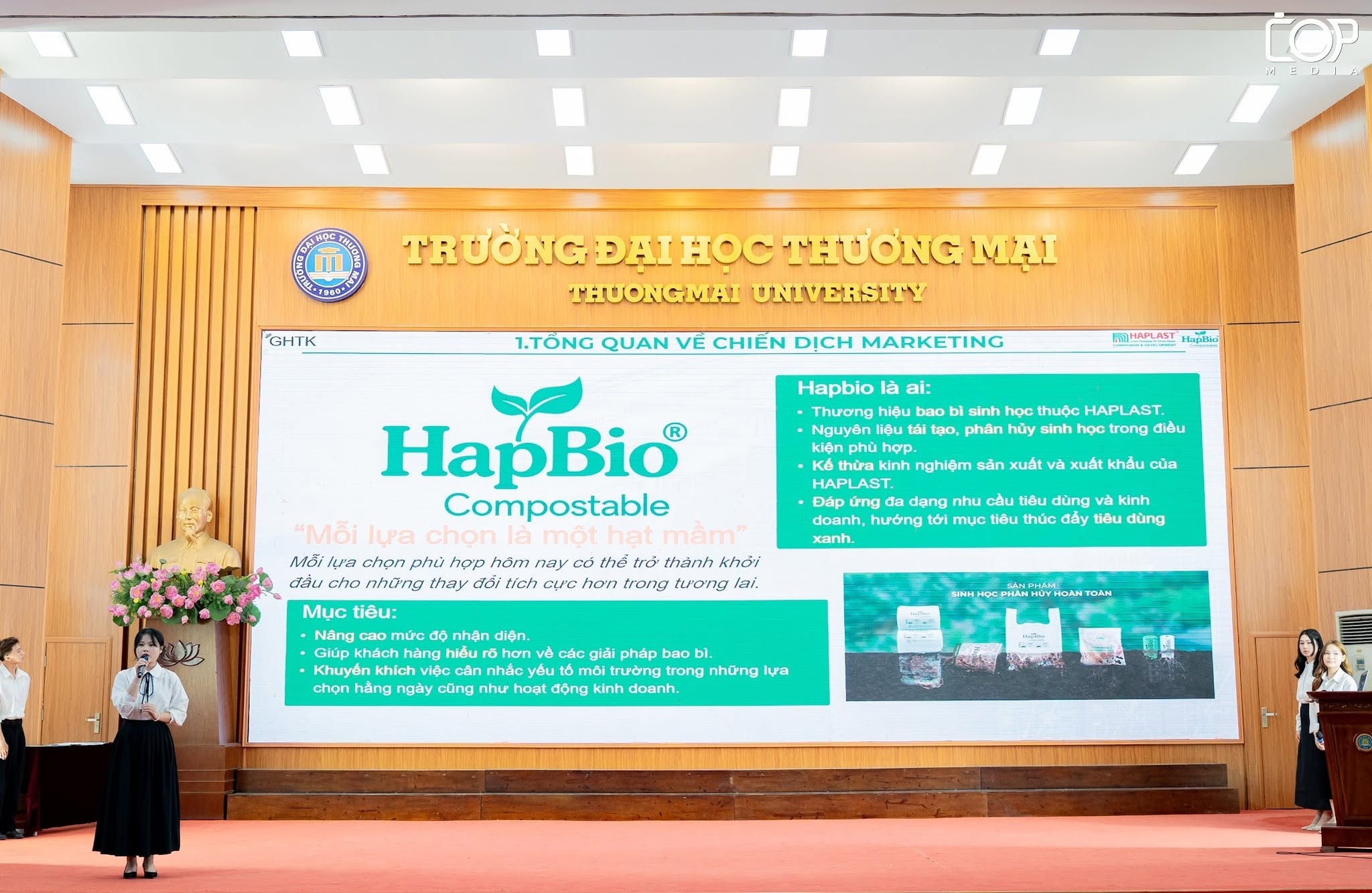
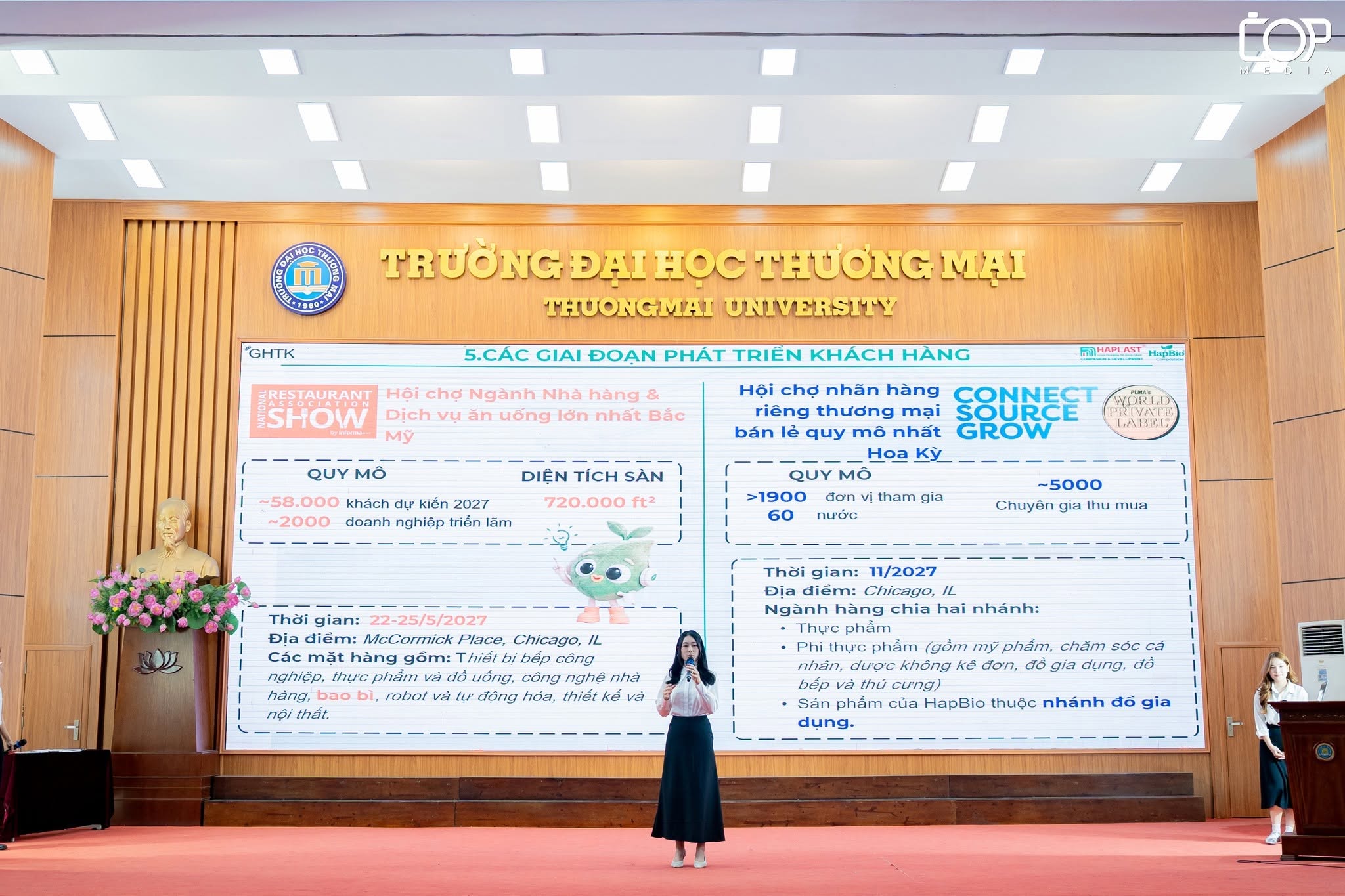
The event images show students presenting HAPBIO-related marketing and market-development ideas. Their work connects product positioning to considerations such as target audiences, channels and international trade.
Why the Green Packaging Trend Demands More Than a Material Change
For importers, retailers, distributors and private-label brands, the appeal of sustainable packaging solutions must be matched by practical purchasing requirements. A supplier’s environmental message alone cannot answer whether a bag suits its application or the destination market.
- Product fit: Is the bag format suitable for the intended use and procurement specification?
- Evidence: Which test documents and certification records support the compostability claim?
- End-of-life context: What composting conditions apply, and are suitable collection and treatment pathways available?
- Commercial readiness: Can the supplier discuss customization, documentation and an appropriate specification review?
These buyer questions provide valuable learning for future international business professionals. A strong market proposal should distinguish verifiable product characteristics from broad sustainability slogans.
Understanding TÜV AUSTRIA and BPI Compostability Certifications
The HAPBIO portfolio references TÜV AUSTRIA OK compost INDUSTRIAL, OK compost HOME and BPI Certified Compostable certification schemes. Each scheme relates to defined composting conditions and approved product scope; no certification should be assumed to cover every HAPBIO SKU.
OK compost INDUSTRIAL vs. OK compost HOME
OK compost INDUSTRIAL addresses controlled industrial composting conditions and is associated with requirements such as those in EN 13432 for applicable packaging. OK compost HOME addresses home composting conditions, which differ from industrial processes. An industrial-compostability certificate is not, by itself, proof of home compostability.
What BPI Certified Compostable Means for Buyers
BPI Certified Compostable provides independent certification for eligible products under the applicable BPI program and requirements. Buyers should check whether a product is listed for commercial composting or an applicable home-compostability program instead of treating the BPI name alone as proof of both.
For each proposed product, purchasing and sustainability teams should confirm the certificate holder, covered SKU or product family, relevant conditions, applicable specifications and certificate validity. A certification mark is a starting point for due diligence—not blanket approval for a supplier’s entire range.
What Students and International Buyers Can Learn from the Same Business Case
The IBI case highlights three connected skills essential in international trade:
- Market awareness: Different buyers may require different packaging formats, documentation and disposal information.
- Accurate communication: “Biodegradable,” “industrial compostable” and “home compostable” are not interchangeable claims.
- Evidence-based decisions: Technical documents and certification scope help procurement teams make informed supplier assessments.
These principles support clearer conversations between packaging suppliers and international customers. They also give students a practical way to connect sustainability objectives with real business constraints.
Supporting the Next Generation of Global Business Professionals
By supporting IBI 2026, Haplast Group and HAPBIO help create opportunities for students to apply analytical, communication and market-development skills to a live industry context. The goal is not simply to promote a product, but to encourage the next generation to ask better questions about sourcing, environmental claims and business responsibility.
That is a constructive step toward more transparent conversations about compostable packaging and responsible international business.
Explore HAPBIO Compostable Packaging for Your Market
Considering compostable packaging for retail, distribution, food service or a private-label project? Share your intended application, destination market and product specification with HAPBIO. Our team can discuss relevant options and the supporting documents available for the exact product under review.
Contact HAPBIO to discuss your packaging requirements or explore our compostable packaging product range.
HAPBIO — Green Solutions from Vietnam to the World.
Frequently Asked Questions
Is industrial compostable packaging the same as home compostable packaging?
No. Industrial and home compostability refer to different composting conditions. Buyers should review the certification scheme and the specific product scope.
Does a TÜV AUSTRIA or BPI certificate cover every product from the brand?
No. Certification applies only to the approved product or material scope. Request current documentation for the exact SKU and application.
Why is buyer trust important in green packaging?
International buyers need accurate product claims, relevant technical documentation and reliable specifications to assess whether packaging fits their market and operational needs.
