
Material type: PLA / PBAT / Blend / Customized
Form: Pellets / Granules
Processing method: Film blowing / Injection molding / Extrusion
Color: Natural / White / Customized
Packaging: 25kg/bag or customized
Certification: EN13432 / ASTM D6400 (optional depending on product)
Used: Used in the production of biodegradable packaging and disposable products
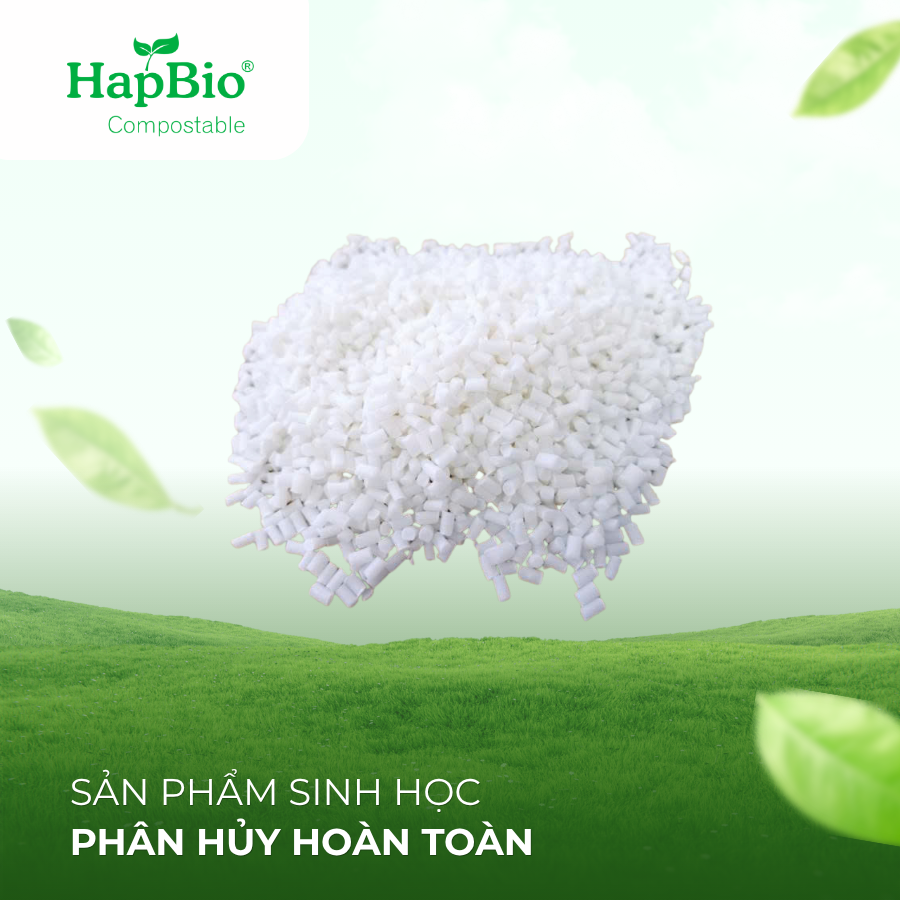
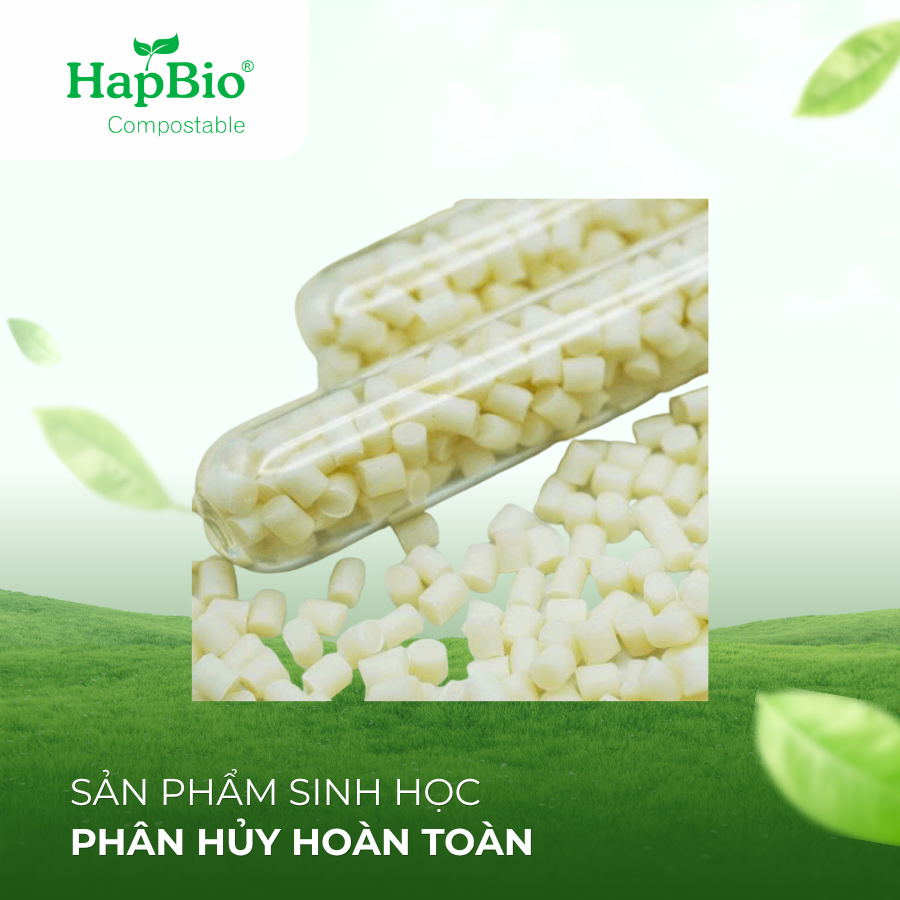
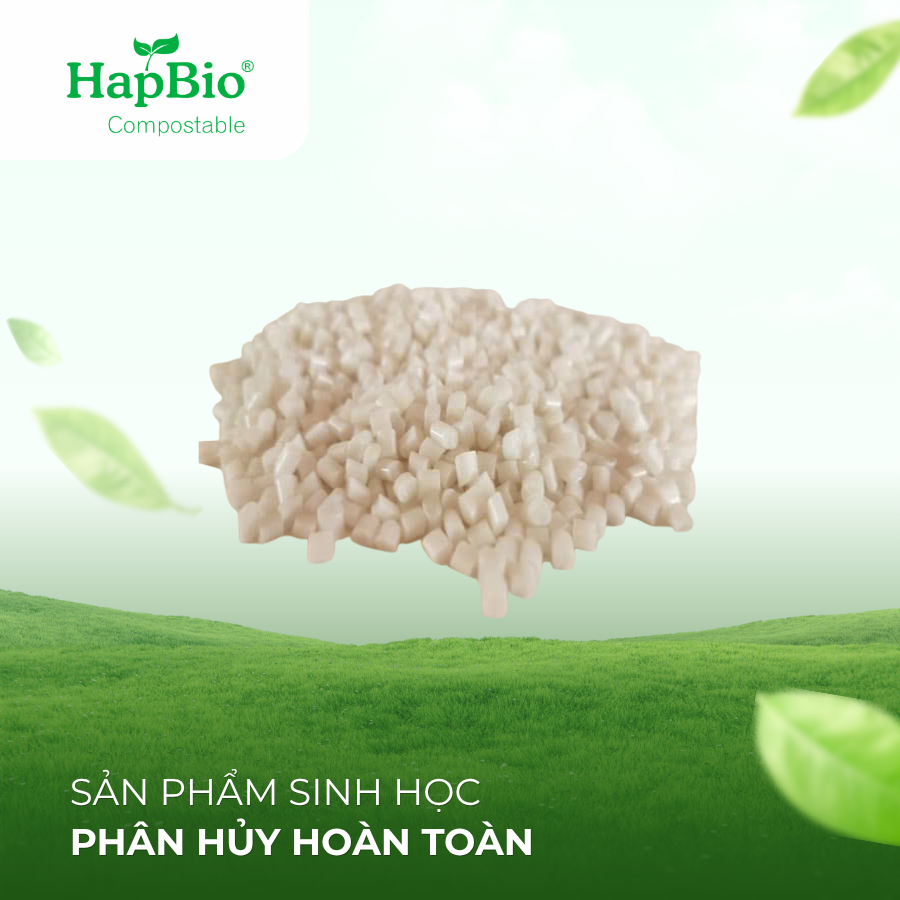
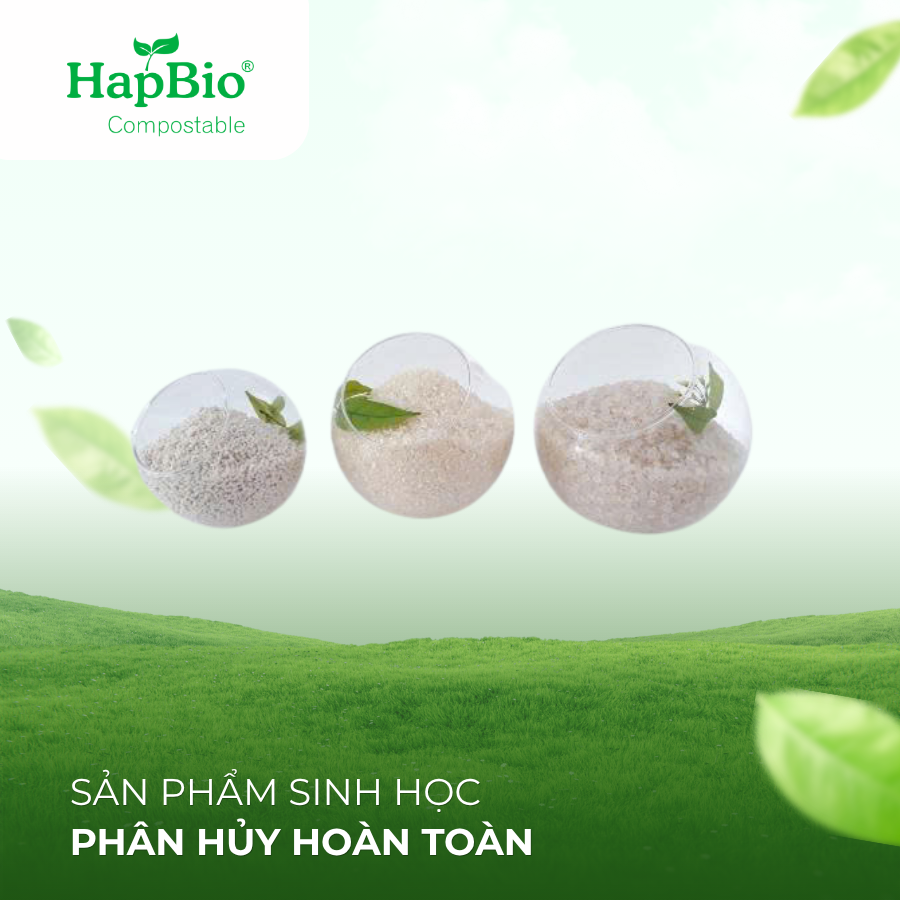
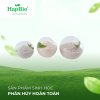
Biodegradable plastic pellets
PRODUCT DETAILS
Biodegradable plastic pellets are raw materials capable of fully decomposing in natural environments, converting into CO₂, water, methane, and biomass within a short period (from a few months to a few years).
Unlike conventional plastics, this material helps significantly reduce long-term plastic waste and is more environmentally friendly, aligning with global sustainability trends.
Types of Biodegradable Plastic Pellets
1. Bio-based materials (natural origin)
Produced from renewable resources such as corn starch, cassava, and potato starch:
- PLA (Polylactic Acid)
- PHA (Polyhydroxyalkanoates)
- PBS (Polybutylene Succinate)
2. Petroleum-based biodegradable materials
Derived from fossil-based raw materials but engineered to be biodegradable:
- PBAT (Polybutylene Adipate Terephthalate)
- PCL (Polycaprolactone)
Key advantages of biodegradable resin pellets
- Fully biodegradable with no microplastic residue
Breaks down completely into natural components such as CO₂, water, and biomass under proper composting conditions, leaving no harmful microplastics in the environment. - Reduces environmental pollution and plastic waste
Helps significantly decrease long-term plastic accumulation in landfills, oceans, and soil, supporting global efforts to reduce plastic pollution. - Environmentally friendly and safe after decomposition
After degradation, the material does not release toxic substances, making it safe for soil quality, ecosystems, and overall environmental health. - Reduces dependence on fossil resources
Partially replaces petroleum-based plastics by using renewable or bio-based raw materials, helping conserve non-renewable energy sources. - Helps lower carbon emissions
Contributes to a lower carbon footprint throughout its lifecycle, and the CO₂ released during decomposition can be reabsorbed by plants in the natural carbon cycle. - Compatible with existing plastic processing machines
Can be processed using standard equipment such as film blowing, injection molding, and extrusion without major modifications, reducing investment costs for manufacturers. - Stable mechanical performance for industrial production
Offers consistent strength, flexibility, and processing stability, ensuring reliable output quality for large-scale manufacturing of packaging and disposable products.
Applications of Biodegradable plastic pellets resin pellets
Biodegradable resins are widely used across multiple industries:
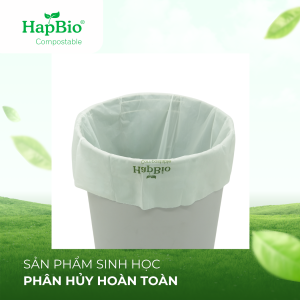
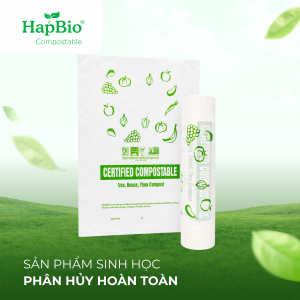
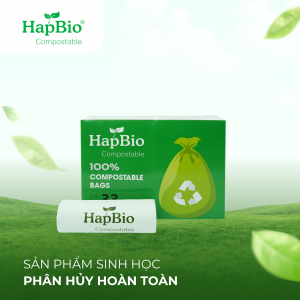
- Packaging and film production: Used to produce shopping bags, garbage bags, agricultural mulch films, and food packaging films.
- Single-use products and packaging industry: Commonly used for rice bags, grain packaging, as well as disposable cutlery such as spoons, forks, and plates.
Order Biodegradable plastic pellets from Haplast
Haplast supplies high-quality Biodegradable plastic pellets designed for sustainable and eco-friendly plastic production. Our materials are suitable for manufacturing a wide range of products such as biodegradable bags, packaging films, and disposable items.
Customers can place bulk orders or request customized formulations based on specific production requirements, including material type, performance, and application. Made from renewable and biodegradable resources, Haplast bioplastic pellets help reduce dependence on fossil fuels while supporting environmental protection and global sustainability goals.
With stable quality, competitive pricing, and reliable supply capacity, Haplast is a trusted partner for manufacturers seeking green raw materials for modern packaging solutions.
Reviews
There are no reviews yet.